

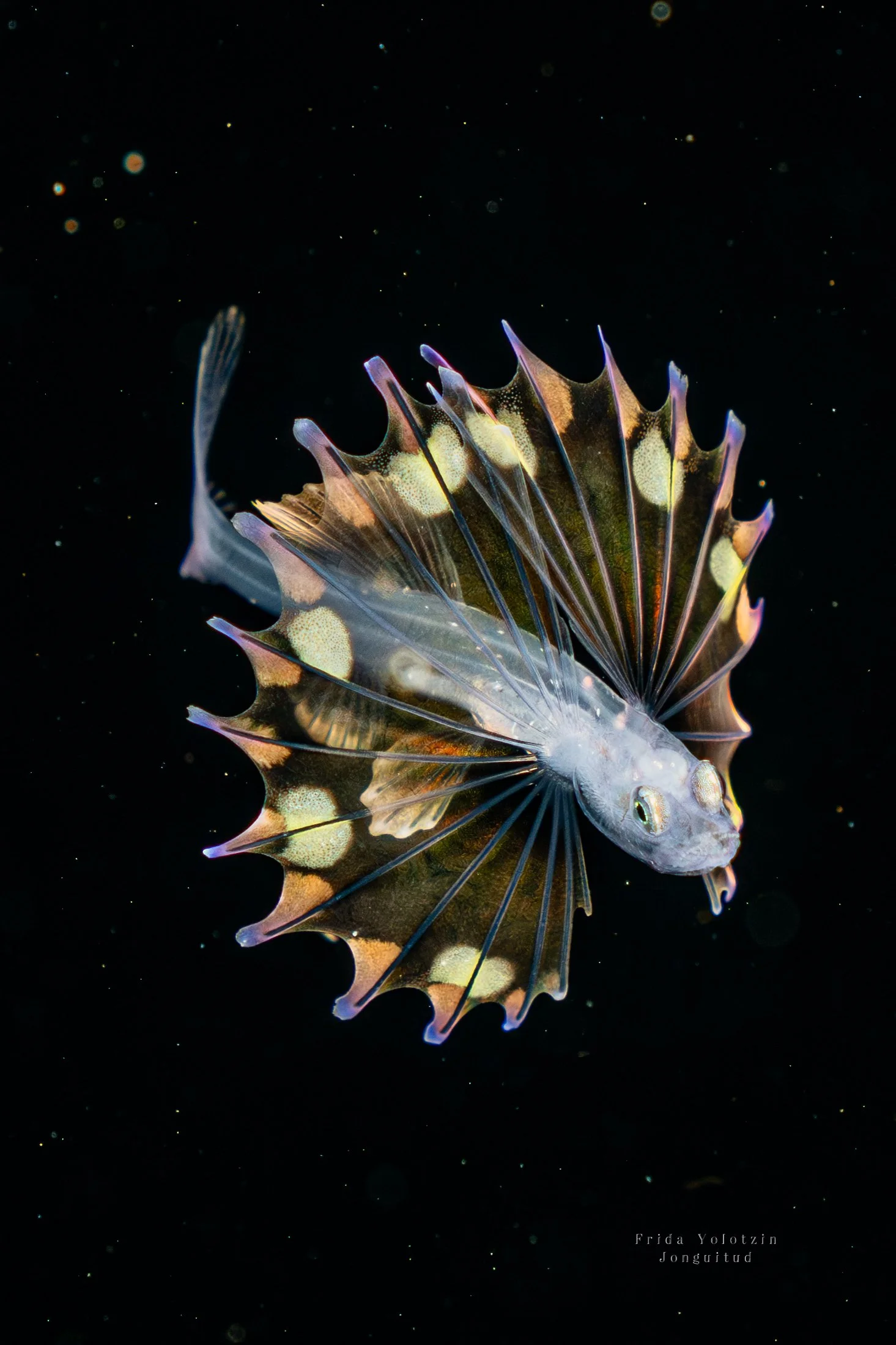
uv shield
Planktonic fabric is UPF 50+ certified — the highest protection rating achievable.
98% UV radiation blocked
Your skin stays covered.
The reef stays intact.
the problem
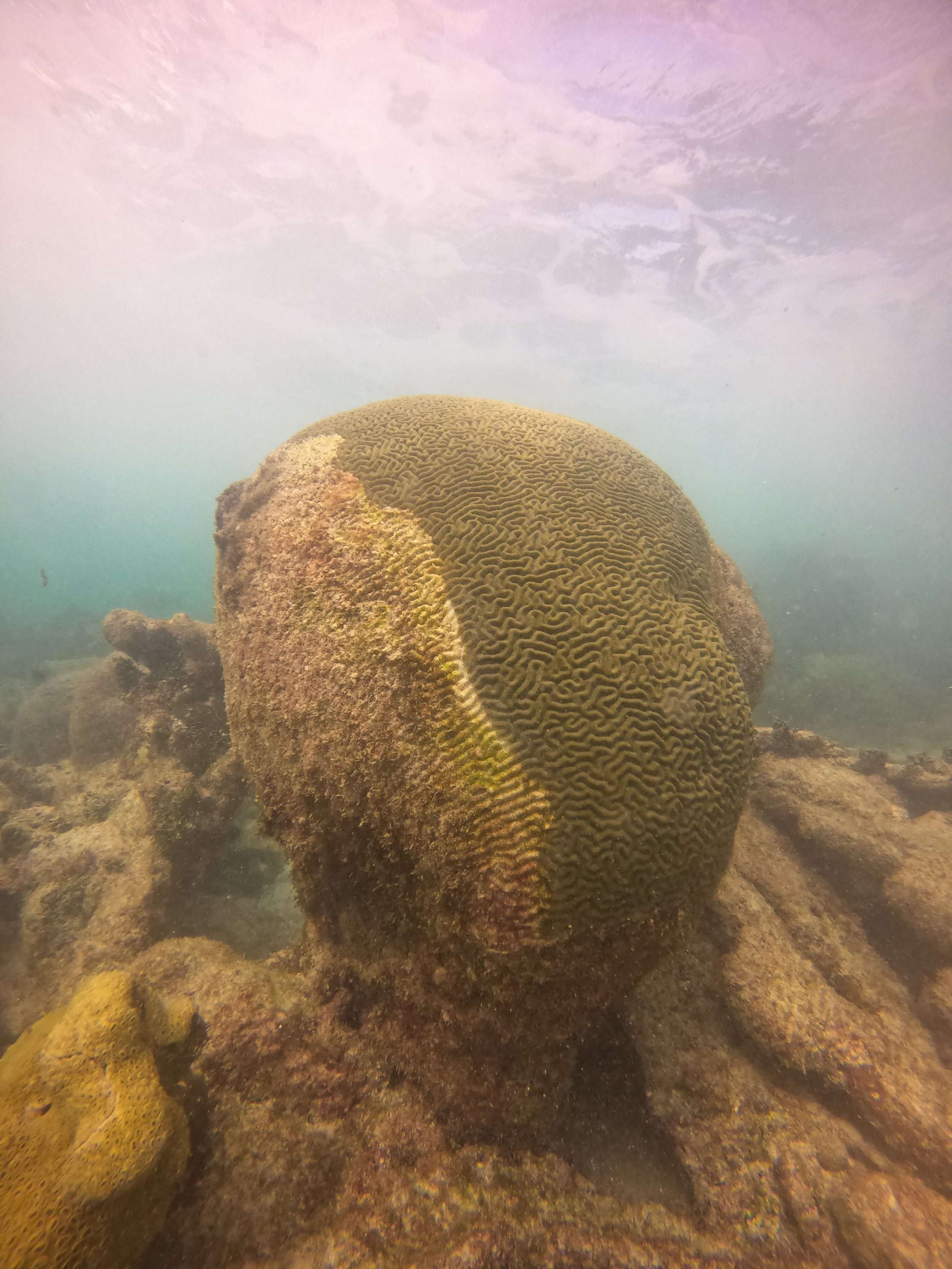
Sunscreen doesn't stay on your skin. It washes off the moment you enter the water — and the chemicals it carries, including oxybenzone and octinoxate, go straight into the reef ecosystem. These compounds cause coral bleaching, disrupt the reproduction of marine organisms, and accumulate in reef sediments over time.
Sunscreen doesn't just introduce harmful chemicals — it also blocks sunlight itself. Coral relies on a symbiotic algae called zooxanthellae, which lives inside its tissue and uses sunlight to produce the majority of the coral's energy and nutrients through photosynthesis. A layer of sunscreen floating on the water's surface, or coating a diver's skin, reduces the light reaching that algae. Less light means less energy for the coral — compounding the damage already caused by the chemicals themselves.
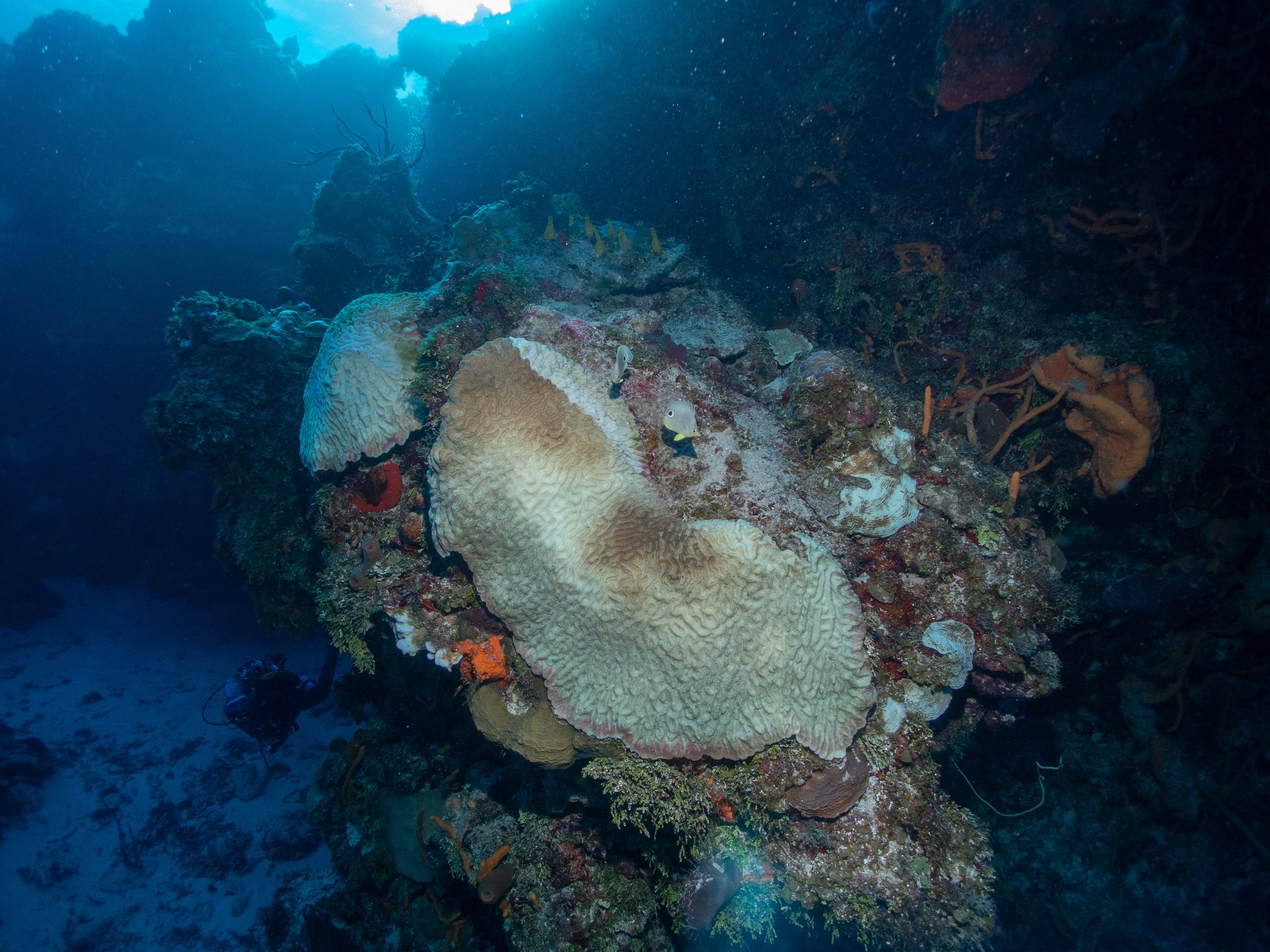
An estimated 14,000 tons of sunscreen enter the world's oceans every year. The highest concentrations are found in popular dive and snorkel destinations — including the reefs of Cozumel and the Caribbean. The animals we photograph on blackwater dives live in that water. Their larvae drift through it. Their survival depends on a reef that isn't being slowly poisoned.
the SOLUTION
Every time you swim in sunscreen, the reef pays for it.
Your fabric is your sunscreen.
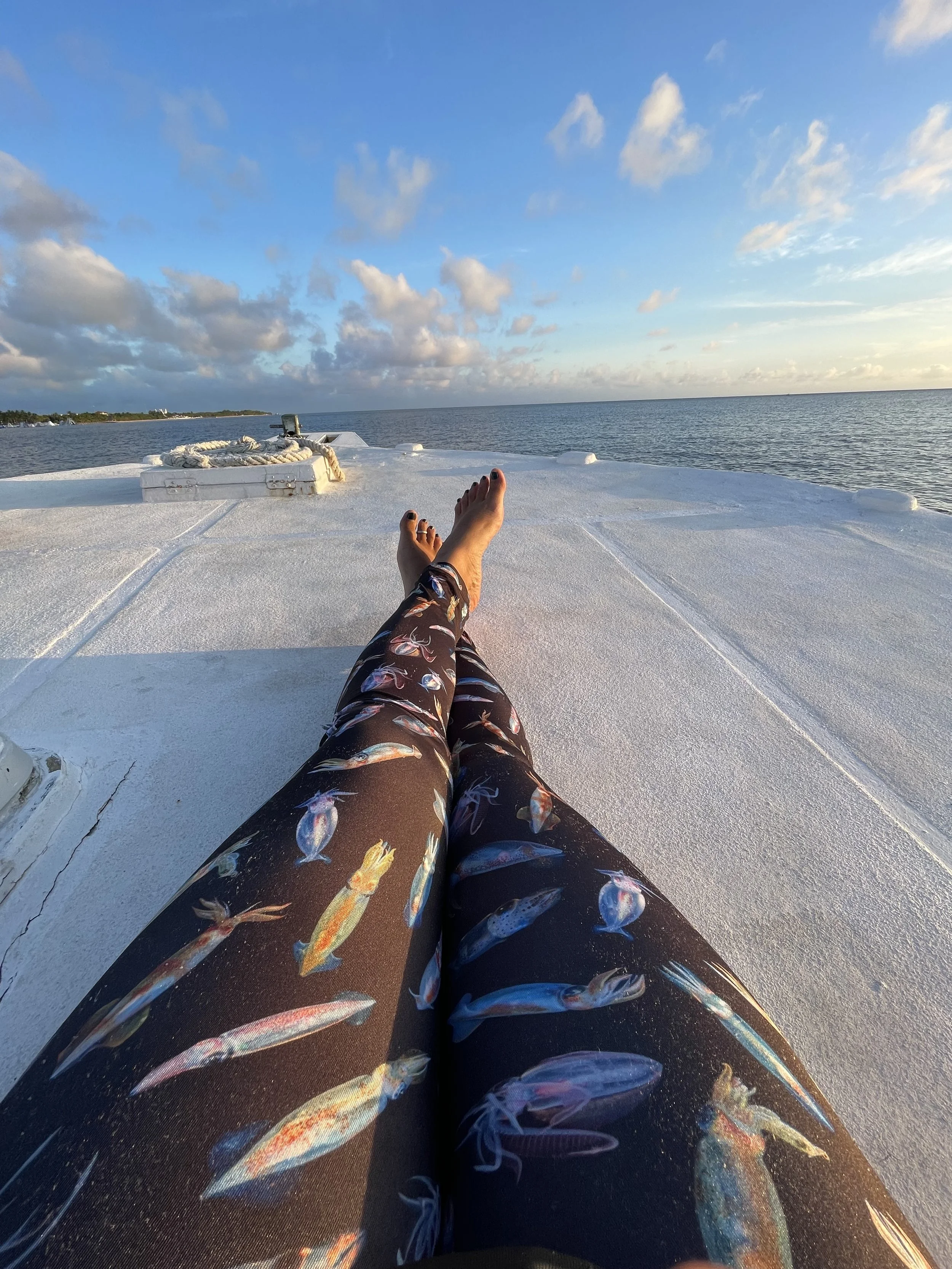
Planktonic activewear is independently tested and certified at UPF 50+ — the highest rating achievable. That means less than 2% of all UV radiation passes through the fabric to your skin, blocking both UVA and UVB rays completely.
Unlike sunscreen, the protection is built into the weave of the fabric itself. It doesn't wash out, fade, or need reapplying after two hours in the water. It works from the first wear to the last.
UPF vs SPF — what's the difference?
SPF measures only UVB protection in sunscreen — and only under lab conditions that rarely match real life.
UPF measures both UVA and UVB radiation blocked by a fabric, tested physically with a UV radiometer. It's a more complete and more reliable standard. A
UPF 50+ rating means the fabric allows less than 2% of all UV radiation through — better protection than any sunscreen bottle can reliably deliver once you're sweating, swimming, or an hour into your dive.
COMMON QUESTIONS
Do I need sunscreen at all if I'm wearing Planktonic?
For any skin covered by the fabric, no — you're getting better protection than any sunscreen can reliably offer. For uncovered areas like your face and hands, a hat and staying in the shade as much as possible will help.
Does UPF protection fade over time?
No. The protection comes from the structure of the weave itself — not a chemical coating. It's permanent and doesn't degrade with washing or saltwater exposure.
What exactly makes sunscreen harmful to coral?
Chemical filters like oxybenzone and octinoxate cause coral bleaching, disrupt larval development in marine organisms, and accumulate in reef sediments. They enter the water every time a swimmer gets in, even after sunscreen appears to have absorbed into the skin.
Is UPF fabric safe for sensitive skin?
Yes — and often better than sunscreen for sensitive skin, since there's no chemical contact with the skin at all. The protection is entirely physical, from the fabric structure itself.
Protect your skin. Protect the reef.
Every Planktonic piece is your best defense against the sun — and theirs.